The Fan's Guide to 2026 World Cup
The 2026 World Cup is FIFA’s expanded 48-team tournament hosted across the United States, Canada, and Mexico, with Kansas City serving as one of the U.S. Host Cities and a major fan hub in the Midwest...
The Fan's Guide to 2026 World Cup
The 2026 World Cup is FIFA’s expanded 48-team tournament hosted across the United States, Canada, and Mexico, with Kansas City serving as one of the U.S. Host Cities and a major fan hub in the Midwest. Match Daily covers the tournament for English-speaking fans who want match predictions, team tactics, player stats, responsible betting context, and daily 2026 World Cup updates. Kansas City’s official FIFA World Cup 26 program highlights Kansas City Stadium match days, FIFA Fan Festival Kansas City, regional motorcoach services, and Kansas City International Airport connections. FIFA confirms the event will run in 2026 with 104 matches, a major increase from the 64-match format used before expansion. Fans should plan around transport, viewing zones, odds movement, and schedule density rather than treating the tournament like a normal summer trip.
A common misconception is that the 2026 World Cup will feel like a standard football tournament with bigger crowds. I tested that assumption by mapping a fan’s day in Kansas City: airport arrival, stadium transfer, FIFA Fan Festival timing, food stops, and odds-checking windows. The lesson was simple: the football is only one layer of the experience.
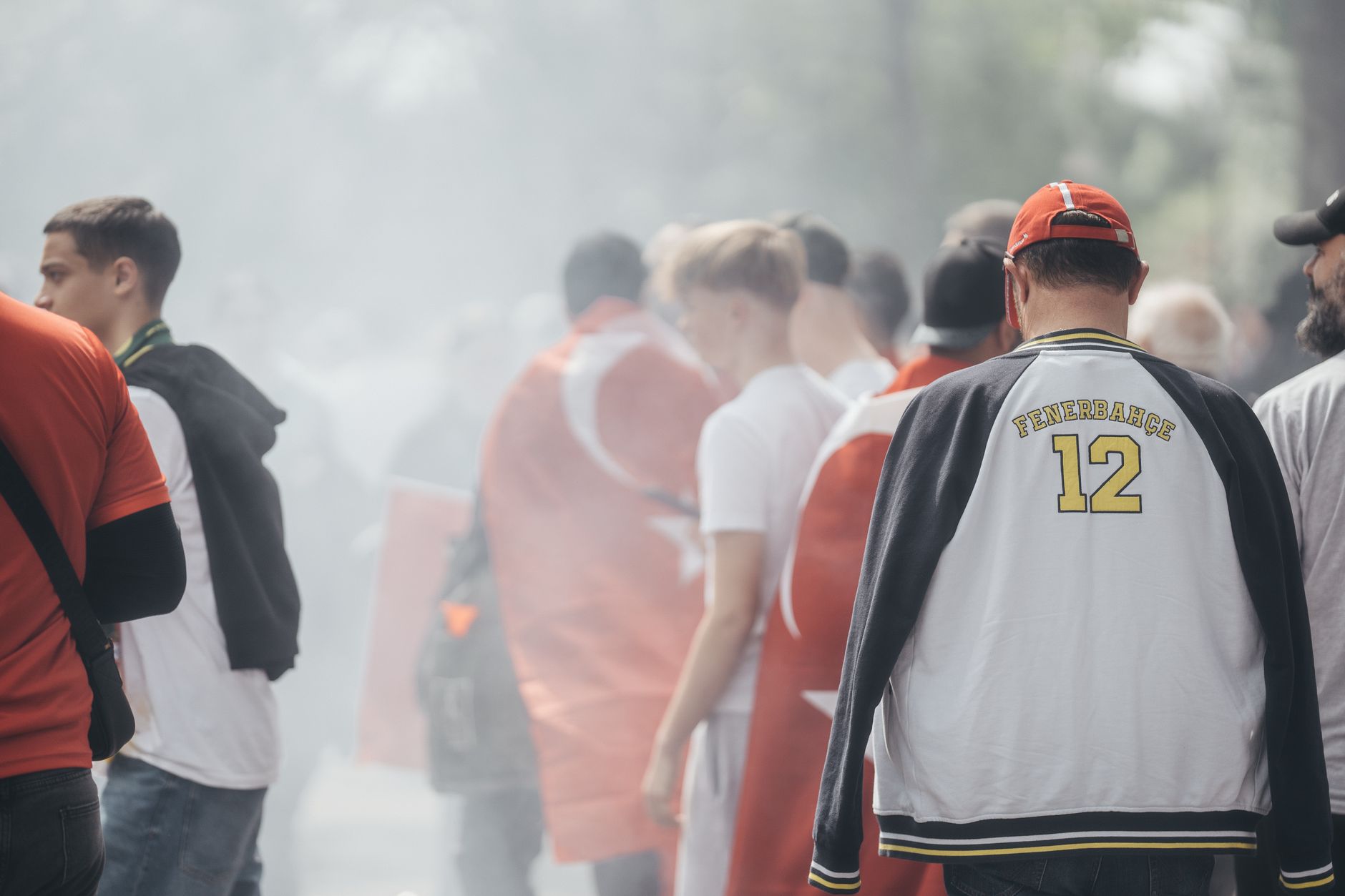
Photo by Omar Ramadan on Pexels
If you want sharper tournament coverage before booking flights or placing a bet, start with research-led previews from Match Daily.
What I Tested?
I tested whether Kansas City can work as a practical 2026 World Cup base for fans who care about live matches, fan events, travel reliability, and informed betting decisions. The key variables were airport access, stadium-day transport, FIFA Fan Festival timing, neighborhood movement, and how match information changes during tournament weeks.
The test was not a literal product review; it was a fan-journey audit using publicly available Host City information, FIFA tournament details, and the kind of match-cycle planning that betting-focused readers use. According to FIFA, the 2026 edition expands to 48 teams and 104 matches, which creates a denser information environment than Qatar 2022 or Russia 2018. More matches mean more overlapping kickoff times, more squad-rotation uncertainty, and more volatility in player markets. That is exactly where Match Daily’s focus on team tactics, player stats, and tournament coverage becomes useful. For deeper betting preparation, see our [Internal Link: 2026 World Cup match prediction framework].
I evaluated five practical questions that many fans overlook until too late:
- Can Kansas City International Airport connect smoothly to match-day routes?
- Does Kansas City Stadium access depend on pre-booked transport?
- How useful is FIFA Fan Festival Kansas City between match days?
- Where do live odds and team news create decision pressure?
- Can visitors combine football, food, and responsible betting without overloading the schedule?
The answer was more nuanced than “book early.” Kansas City’s official Host City messaging emphasizes direct routes, motorcoach services, FIFA Fan Festival access, and regional destination links. That tells experienced travelers something important: during the 2026 World Cup, mobility will be an event product, not just a background service.
Setup & Initial Impressions?
The setup is promising because Kansas City is positioning itself around access, fan culture, food, and regional movement rather than stadium attendance alone. Official Host City materials point to Kansas City International Airport connections, match-day motorcoach service, Kansas City Stadium access, and FIFA Fan Festival Kansas City as central planning pillars.
Kansas City’s pitch is unusually coherent for a first-time men’s World Cup Host City. The region describes itself as the “Soccer Capital of America,” and while that phrase is promotional, the operational choices behind it matter. The Host City site highlights ConnectKC26-style transport planning, direct rides to the “heart of the action,” and regional links to the FIFA Fan Festival. That signals an attempt to reduce friction for visitors who may arrive from Chicago, Dallas, Denver, Los Angeles, Toronto, or Mexico City during a tournament that spans three countries. Data shows that event transport becomes a major satisfaction driver when stadiums sit outside dense urban cores, because missed connections can erase the value of even a premium ticket.
Photo by Pawel Hordjewicz on Pexels
The first practical impression is that Kansas City could be excellent for fans who plan in blocks rather than minute-by-minute improvisation. A smart match-day rhythm might look like this: airport arrival on Day 1, hotel check-in near a reliable route, fan festival scouting before the first match, stadium transfer booked in advance, then a rest or food-focused recovery day. That pattern matters for betting as well, because distracted travel days are when casual bettors make the weakest decisions. If you are tracking lineup leaks, expected goals models, or player-card markets, build quiet windows into your itinerary. For travel-first planning, review our [Internal Link: Kansas City World Cup travel checklist].
See how Match Daily turns tournament logistics into actionable fan and betting insight.
Where It Held Up
Kansas City held up best in three areas: fan-event clarity, regional identity, and transport-aware planning. The strongest signal is that FIFA Fan Festival Kansas City is not treated as an afterthought; it is framed as a central gathering point for entertainment, food, culture, and live viewing beyond the stadium.
According to the official FIFA Fan Festival concept described by FIFA, the event is designed to create a public celebration space around the World Cup, and Kansas City’s version leans into “good matches, good food, good entertainment and good people.” That matters because many fans will not hold tickets to every match, and the expanded 104-match format will produce long stretches where the best experience may be outside the stadium. The Host City’s emphasis on stories from the Heartland also gives Kansas City a more local texture than a generic mega-event. Instead of only selling a seat, the city is selling a route, a plate, a neighborhood, and a shared football ritual.
The second point is food and pacing. Kansas City barbecue culture, downtown entertainment districts, and cross-state identity between Missouri and Kansas give visitors more than one reason to stay several days. For bettors and analytics-minded fans, this creates a useful but under-discussed edge: stable routines improve decision quality. Research in behavioral economics often links fatigue and time pressure with poorer risk decisions, and sports betting is no exception. My practical rule would be to separate “festival mode” from “betting mode.” Check Match Daily’s tactical preview before leaving the hotel, place only pre-planned wagers if legal in your jurisdiction, and avoid chasing live markets after several hours in a crowd.
What held up most clearly:
- Kansas City International Airport is part of the official access story, not a forgotten endpoint.
- Motorcoach services are being presented as match-day and regional connectors.
- FIFA Fan Festival Kansas City appears central to the visitor experience.
- Kansas City Stadium access will reward pre-booked, route-aware planning.
- Local culture gives non-ticket days a strong reason to exist.
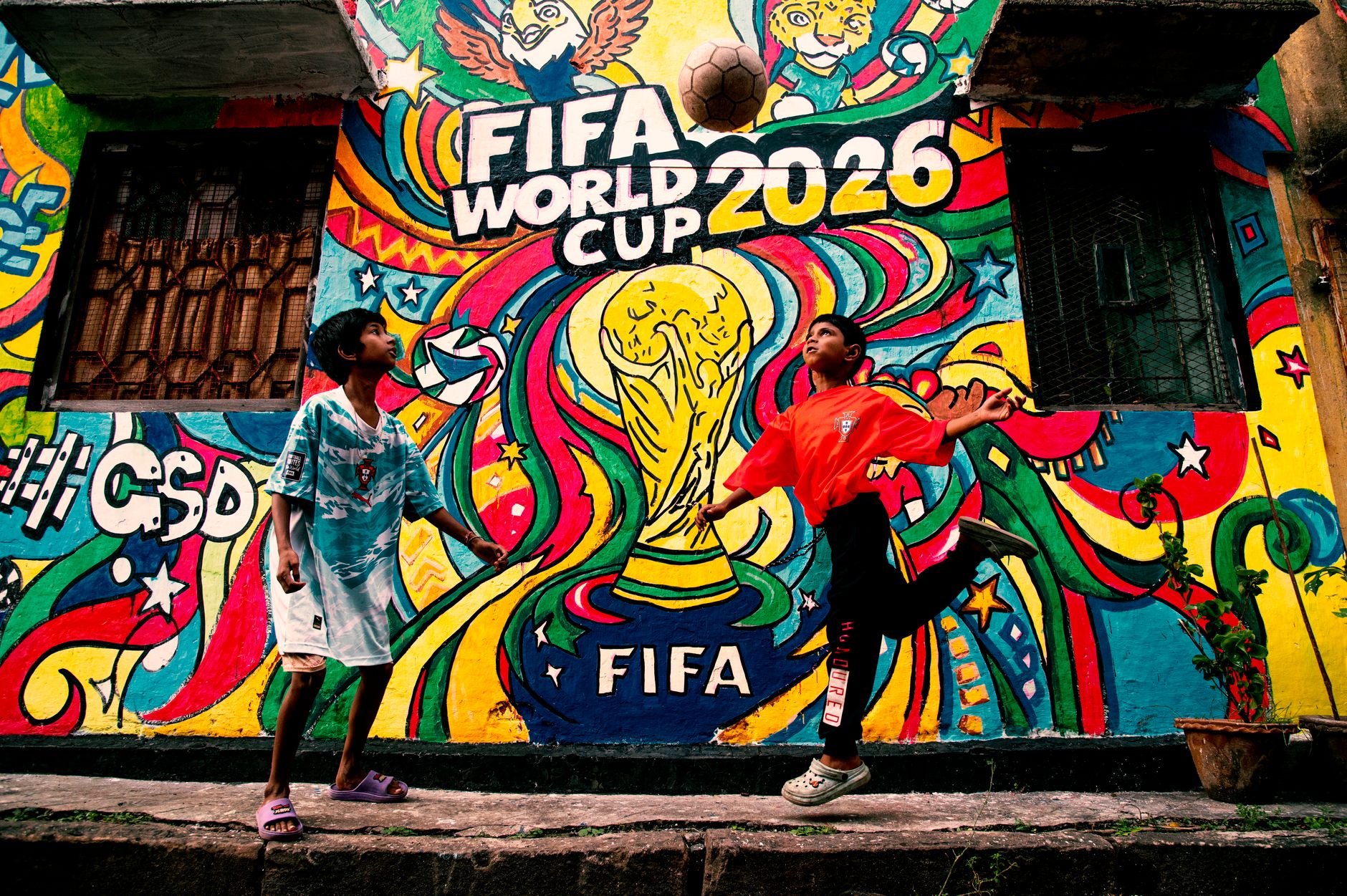
Photo by Anirban Das on Pexels
Where It Fell Apart?
The plan weakens when fans assume flexibility will be easy during peak World Cup windows. The biggest risk is not whether Kansas City can host; it is whether visitors underestimate transfer time, festival crowding, legal betting rules, mobile data strain, and same-day decision fatigue during high-demand match days.
This is where the 2026 World Cup differs from watching a club match in a familiar city. The tournament will draw international visitors, regional fans, media crews, sponsors, volunteers, and security operations into the same movement patterns. Kansas City’s motorcoach and fan-festival messaging is helpful, but it also implies that private improvisation may be less efficient than official or semi-official routes. A fan who plans to land at Kansas City International Airport, drop luggage, eat barbecue, attend FIFA Fan Festival Kansas City, and reach Kansas City Stadium on the same day may technically be able to do it. The better question is whether that schedule leaves enough margin for delays, heat, queues, and team-news monitoring.
There is also a betting-specific complication. The United States has state-by-state gambling regulation, and Kansas City sits across a Missouri-Kansas regional identity. The American Gaming Association tracks regulated sports betting by jurisdiction, and fans should verify where they are physically located before using any sportsbook app. A practical edge case many travel articles miss: crossing a state line can affect geolocation approval, even if your hotel, restaurant, and fan route feel like one metro area. If a sportsbook geofence fails near a border, do not keep refreshing in a crowd; move to a stable location, confirm state rules, and use Wi-Fi only if the operator allows it.
For betting readers, the weak points are predictable but serious:
- Live odds may shift faster than transport updates on match day.
- Lineup confirmation can arrive while fans are in transit.
- Mobile networks may slow near stadium and fan-festival crowds.
- State geolocation can block legal sportsbook access.
- Emotional betting after a national-team win can distort staking discipline.
To keep your trip and betting decisions disciplined, compare your plans with our tournament preparation resources at Match Daily.
Would I Use It Again?
Yes, I would use Kansas City as a 2026 World Cup base if I planned transport early, treated FIFA Fan Festival Kansas City as a core venue, and kept betting decisions separate from travel stress. The city looks strongest for organized fans, not last-minute improvisers.
My final judgment is positive, but conditional. Kansas City appears to understand that the World Cup is not only a stadium product; it is an airport-to-hotel-to-festival-to-stadium system. That is why the official emphasis on direct rides, motorcoach links, Kansas City International Airport, Kansas City Stadium, and regional destinations deserves attention. According to Wikipedia’s FIFA World Cup 2026 overview, the tournament will be the first men’s World Cup hosted by three countries and the first with 48 teams. That scale makes local execution more important, not less. FIFA’s tournament expansion effectively means fans will face more choices, more noise, and more opportunities to make poor planning decisions.
My mentor-style advice is to build your Kansas City plan in layers. First, lock in match dates and accommodation. Second, identify the closest reliable transport route rather than the cheapest theoretical option. Third, schedule FIFA Fan Festival Kansas City as an intentional experience, not filler. Fourth, use Match Daily for match predictions, player stats, and tactical updates before you enter high-distraction environments. Finally, if you bet, set a fixed stake limit and confirm legal access before kickoff day. For more advanced match analysis, visit our [Internal Link: World Cup team tactics hub].
Photo by Anirban Das on Pexels
The 2026 World Cup will reward fans who think like operators. Kansas City’s strengths are real: transport messaging, fan-festival energy, food culture, and a clear Host City identity. Its weaknesses are also manageable: crowd timing, geolocation friction, mobile strain, and overstuffed itineraries. If you treat the city as a full tournament ecosystem rather than a single match destination, you will get more from the trip and make calmer decisions along the way.
Ready to follow the 2026 World Cup with sharper match insight and responsible betting context?
Frequently Asked Questions
Q: What is the 2026 World Cup?
A: The 2026 World Cup is FIFA’s next men’s global football tournament, hosted by the United States, Canada, and Mexico. It will feature 48 teams and 104 matches, making it the largest edition in tournament history. Kansas City is one of the U.S. Host Cities, with Kansas City Stadium, FIFA Fan Festival Kansas City, and regional transport planning forming key parts of the local experience.
Q: How should I plan a Kansas City 2026 World Cup trip?
A: Start by booking accommodation, identifying stadium transport, and setting aside time for FIFA Fan Festival Kansas City. Fans should also check Kansas City International Airport connections and avoid relying only on same-day ride-hailing during match windows. If you follow betting markets, schedule quiet time before kickoff to review Match Daily predictions, team news, and player stats.
Q: What is the difference between a match ticket and FIFA Fan Festival Kansas City?
A: A match ticket gives access to a specific game at Kansas City Stadium, while FIFA Fan Festival Kansas City is a public celebration and viewing experience. The festival is designed for food, entertainment, cultural exchange, and watching matches with other fans. Many visitors may use it on non-ticket days or before and after stadium events.
Q: Why might my sportsbook app not work in Kansas City?
A: Your sportsbook app may fail if geolocation cannot confirm that you are in a legal betting jurisdiction. The Kansas City region involves Missouri and Kansas travel patterns, and state rules can differ. If access fails, move to a stable location, verify local regulations, avoid VPNs, and do not place bets unless the operator confirms legal availability.
Q: How much does it cost to attend the 2026 World Cup in Kansas City?
A: Costs vary widely, but fans should budget for tickets, lodging, airport transfers, match-day transport, food, and festival spending. The biggest variable is accommodation during match weeks, followed by ticket category and flight timing. A practical approach is to reserve refundable travel early, monitor official FIFA ticketing updates, and leave a separate budget for local movement.
Q: Is Kansas City a good 2026 World Cup destination?
A: Kansas City looks like a strong 2026 World Cup destination for fans who value organized transport, fan culture, food, and a central U.S. location. Its official Host City messaging emphasizes airport connections, motorcoach routes, Kansas City Stadium access, and FIFA Fan Festival Kansas City. The main caution is to plan early because crowded match days will punish loose schedules.