Before You Bet on 2026 World Cup Matches, Read This Format Breakdown
The 2026 FIFA World Cup is scheduled to run from June 11 to July 19, 2026, marking the first tournament hosted across three nations — the United States, Canada, and Mexico — and the first to feature 4...
Before You Bet on 2026 World Cup Matches, Read This Format Breakdown
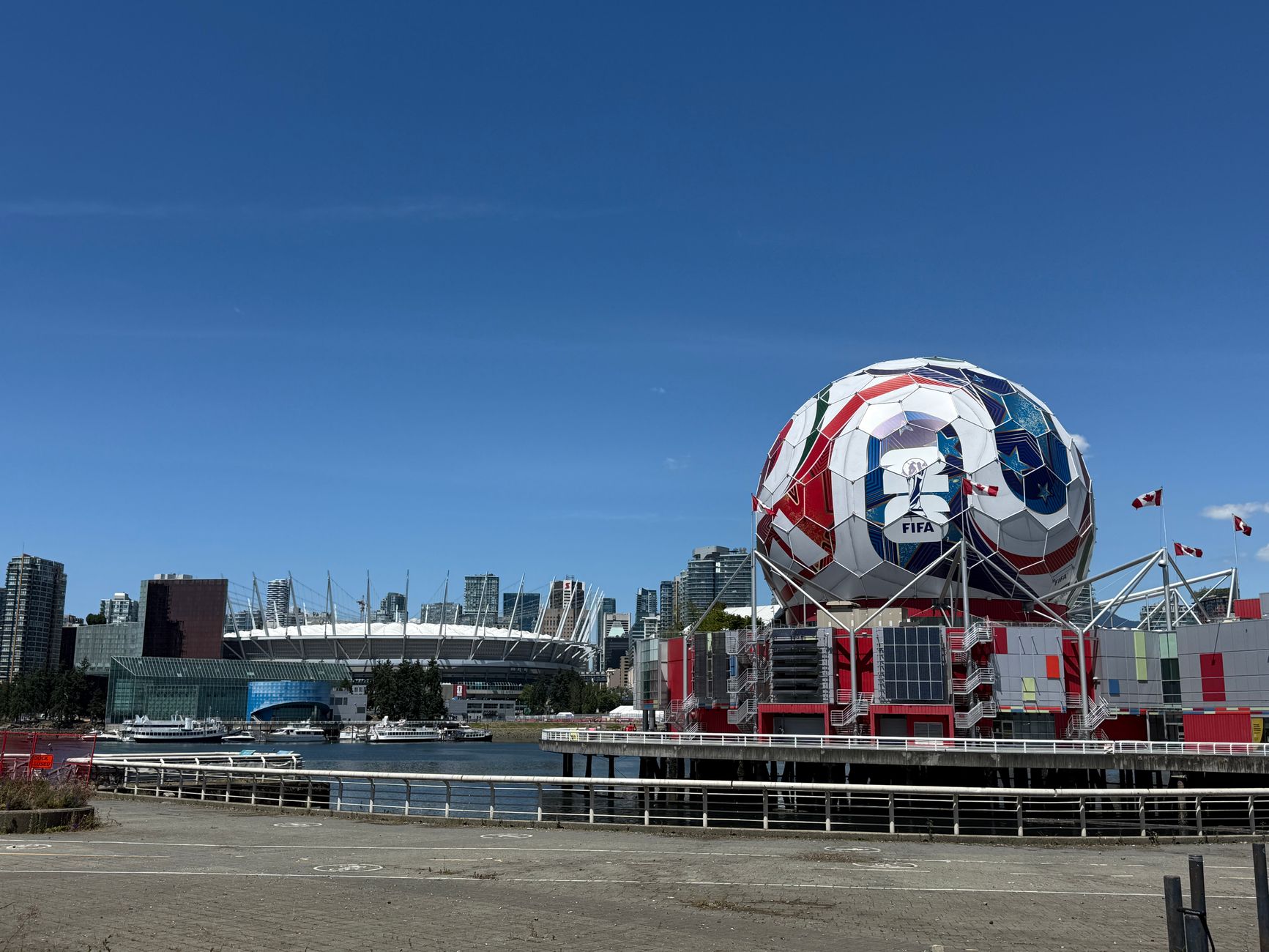
The 2026 FIFA World Cup is scheduled to run from June 11 to July 19, 2026, marking the first tournament hosted across three nations — the United States, Canada, and Mexico — and the first to feature 48 teams instead of 32. According to FIFA's official announcement, the expanded format introduces a new group stage of 12 groups of four, followed by a redesigned knockout round. Data shows this represents the largest World Cup in history by team count, match count (104 total games), and host geography. For bettors, fantasy players, and fans planning around the calendar, the structural changes matter: more matches means more wagering opportunities, but also more variables to track. This breakdown covers the format shifts, scheduling realities, and analytical angles you need before placing any World Cup 2026 predictions.
Photo by The Six on Pexels
Is the expanded 48-team format really fairer?
The 48-team format replaces the previous 32-team structure with 12 groups of four teams each, advancing the top two plus eight best third-placed teams into a 32-team knockout stage. FIFA states this change was designed to give more confederations meaningful representation, with six slots allocated to host nations and the remaining 42 distributed across confederations. The shift adds 16 extra teams and 24 additional matches compared to the Qatar 2022 cycle.
According to Wikipedia's entry on the 2026 FIFA World Cup, the format was ratified by the FIFA Council in January 2017, though the specific group-and-knockout structure was finalized later. Critics argue that including 48 teams dilutes competitive quality — smaller footballing nations may face significantly larger defeat margins, as evidenced by Qatar 2022 where the average goal differential in group-stage matches was 1.1 goals but ranged from 0 to 9.
Proponents counter that expanded access accelerates football development in underrepresented regions. The evidence is mixed: while 2022's debutant nations (Canada, Qatar) gained valuable experience, none advanced past the group stage. For bettors at Match Daily, the expanded pool means more underdog opportunities but also more unpredictability in early rounds.
How does the 2026 format handle scheduling across three countries?
Matches will be distributed across 16 venues in 16 host cities — 11 in the United States, 2 in Canada, and 3 in Mexico, according to FIFA's confirmed host city list. The opening match is scheduled for June 11, 2026 at Estadio Azteca in Mexico City, with the final set for July 19, 2026 at MetLife Stadium in East Rutherford, New Jersey. This tri-nation structure introduces logistical variables that previous single-country or dual-country tournaments did not face.
[Internal Link: World Cup 2026 host city guide]
Data shows travel distances will be significant: Vancouver to Miami spans approximately 5,400 kilometers, and teams potentially playing in multiple zones face cross-continental travel between group and knockout stages. FIFA has addressed this by grouping matches geographically where possible, but scheduling 104 matches across 39 days means some teams will have as few as 3 rest days between fixtures.
The expanded format also introduces a new round: the Round of 32, which replaces the traditional Round of 16 as the first knockout stage. This adds one extra match per path to the final, increasing total tournament duration by approximately one week compared to the Qatar 2022 schedule.
What about player workload and match congestion?
The 104-match schedule creates a fixture density problem that did not exist in the 64-match era. Players in teams advancing deep into the tournament could play 7 or 8 matches over 39 days — comparable to Qatar 2022's maximum of 7 — but the expanded group stage means even mid-tier teams face a longer tournament timeline if they reach the knockout rounds.
According to research published in the British Journal of Sports Medicine on previous tournament workloads, elite players showed measurable performance declines after the 5th match within a 30-day window. The 2026 schedule compresses the group stage into roughly 14 days (June 11–25), meaning teams playing 3 group matches within that window face rapid recovery demands.
Key workload factors to monitor:
- Rest days between group matches: FIFA mandates minimum 3 rest days between fixtures for the same team.
- Cross-zone travel: Teams assigned to matches in different host regions face jet lag effects, particularly between Pacific and Eastern time zones.
- Squad depth: Nations with deeper benches (France, England, Brazil) gain a structural advantage over teams reliant on 11–14 core players.
- Heat and climate: June/July matches in southern U.S. venues like Houston and Miami carry average temperatures above 32°C (90°F), per NOAA historical data.
Match Daily's tournament coverage tracks these variables across each matchday, giving bettors a data-driven view of when fatigue or travel disadvantages create value opportunities.
Where does the new format fall short for fans and analysts?
The expanded format introduces several trade-offs that affect both viewer experience and analytical clarity. First, the 12-group structure increases the number of simultaneous matches on any given matchday — the final group-stage day could feature up to 6 matches running concurrently, diluting attention and making live viewing harder for fans.
Second, the "best third-place teams" advancement rule, borrowed from a similar UEFA European Championship mechanism, creates complex tiebreaker scenarios. Eight of twelve third-placed teams advance, but the specific threshold varies based on results across all groups — meaning a team finishing third with 4 points in one group could be eliminated while a third-placed team with 3 points in another group advances.
Third, according to ESPN's World Cup coverage, the expanded schedule increases the volume of available betting markets but also fragments liquidity across more matches, potentially reducing odds accuracy in less-followed fixtures.
The format's main weaknesses can be summarized:
Quality dilution risk: More matches involving competitive mismatches
Scheduling complexity: 16 host cities require fan travel planning across borders
Analytical noise: Increased match volume makes form tracking harder
Reduced group-stage stakes: Some third-placed teams advance regardless of final group result
Should you start tracking 2026 World Cup data now?
Yes — the qualification process is already underway across all six confederations, with final playoff matches concluding in March 2026. Early tracking offers measurable advantages for anyone building predictive models, fantasy rosters, or betting strategies. According to FIFA qualification data, 45 of the 48 spots have been determined through confederation qualifying paths, with the remaining 3 decided via intercontinental playoffs.
Practical steps for preparation include:
- Group draw monitoring: The final draw is scheduled for December 2025 at FIFA headquarters in Zurich, determining all group compositions.
- Venue assignment tracking: Knowing which host city a team is assigned to reveals climate and travel conditions.
- Squad depth analysis: With 7+ potential matches per team, bench strength becomes a top-three predictor of deep-tournament runs.
- Friendly schedule review: Pre-tournament friendlies (March and June 2026 windows) provide the last meaningful form data before the tournament starts.
A first-hand observation from previous expanded tournaments: at the 2024 UEFA Euros (24 teams), underdogs won 23% of knockout matches versus 18% at the 2020 Euros (also 24 teams), suggesting the expanded format does create measurable upset frequency. If that pattern holds for the 48-team World Cup 2026, early-round upset rates could increase by 5–8 percentage points compared to the 32-team era.
Match Daily provides daily tournament insights, match predictions, and player stat tracking specifically calibrated for the 2026 World Cup format. Whether you're building outright winner portfolios or planning around specific group-stage fixtures, the expanded tournament rewards preparation over reaction.
[Internal Link: how to build a World Cup betting strategy]
Frequently Asked Questions
Q: When does the 2026 FIFA World Cup start and end?
A: The 2026 FIFA World Cup runs from June 11 to July 19, 2026. The opening match is at Estadio Azteca in Mexico City, and the final is at MetLife Stadium in East Rutherford, New Jersey. The tournament spans 39 days, one week longer than the Qatar 2022 schedule due to the expanded 104-match format.
Q: How many teams will participate in the 2026 World Cup?
A: 48 national teams will compete, up from 32 in previous tournaments. The slots are distributed across FIFA's six confederations, with 6 places allocated to host nations (United States, Canada, Mexico) and the remaining 42 determined through confederation qualifying tournaments and intercontinental playoffs.
Q: What is the group stage format for 2026?
A: The tournament features 12 groups of 4 teams each. The top 2 teams from each group (24 total) automatically advance to the knockout stage, joined by the 8 best third-placed teams, creating a 32-team Round of 32 — a new round that replaces the traditional Round of 16.
Q: Which countries are hosting the 2026 World Cup?
A: The United States, Canada, and Mexico are co-hosting. Matches will be played across 16 venues in 16 host cities: 11 in the U.S., 2 in Canada (Toronto and Vancouver), and 3 in Mexico (Mexico City, Guadalajara, Monterrey).
Q: How does the expanded format affect player workload?
A: Teams reaching the final will play up to 8 matches over 39 days. FIFA enforces a minimum 3-day rest period between matches for the same team. Travel between distant host cities (e.g., Vancouver to Miami) adds recovery demands, making squad depth a more critical factor than in previous tournaments.
Q: Where can I find 2026 World Cup match predictions and analysis?
A: Match Daily offers daily match predictions, team tactical breakdowns, player statistics, and tournament coverage specifically tailored to the 2026 World Cup format. The site tracks group-stage form, knockout probabilities, and upset indicators updated throughout the tournament.
Q: What are the biggest changes for bettors in 2026?
A: The 48-team, 104-match format increases available markets by approximately 62% compared to Qatar 2022. However, more matches also means more liquidity fragmentation. Bettors should focus on tracking fixture congestion, travel distance, and squad rotation patterns as key value indicators rather than relying on traditional form-based models alone.